
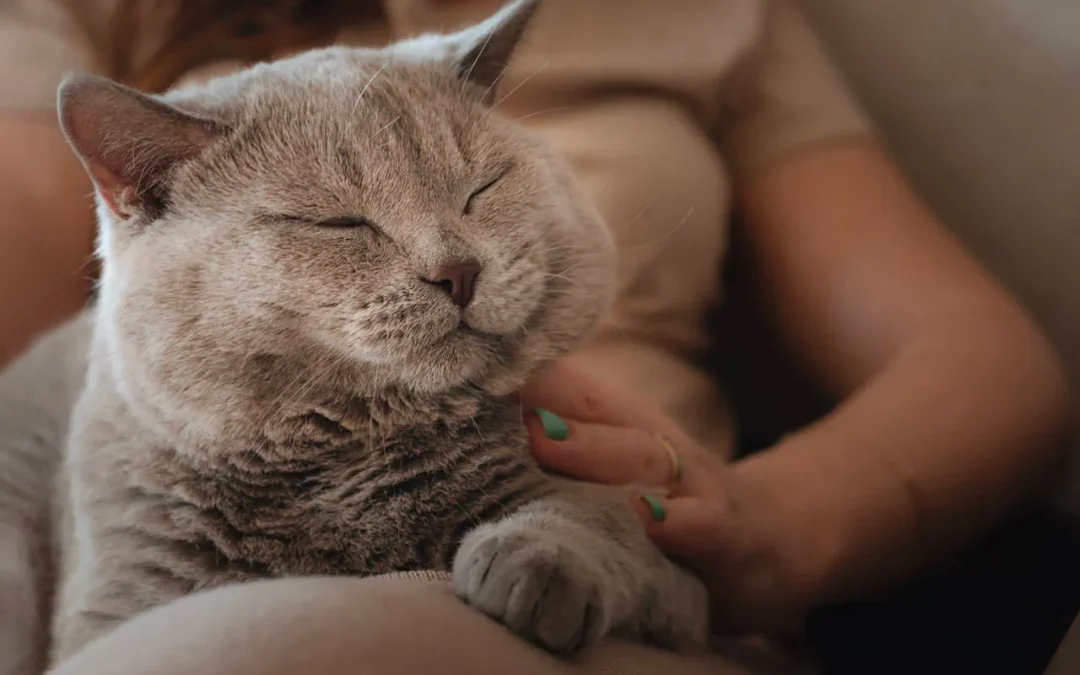
Our pets experience the world alongside us, responding not only to what we do, but to the environments we share. Environmental stressors in pets often appear as small shifts in behavior, regulation, or vitality—signals that something in the surrounding space may be affecting them. This article explores how environmental stressors in pets show up, why animals tend to reflect these changes early, and what their responses can reveal about the conditions they’re navigating every day—with the intention of supporting the well-being of the beloved pets you care deeply about.
Key Takeaways — Environmental Stress in Pets
- Environmental stress in animals often shows up through regulation and behavioral changes before humans notice environmental changes.
- “Environment” includes chemical exposure, sound, routine, and emotional tone within the home—not just outdoor conditions.
- Observing animal behavior can provide early insight into environmental issues within a space.
- Immortal Pet remedies support cellular vitality, nervous-system regulation, and systemic resilience in animals living with cumulative environmental stress.
Our Pets Make Environmental Stress Visible
Unlike humans, animals do not buffer sensory information with distraction, narrative, or long-term normalization. When the baseline of a space shifts, their regulation shifts with it.
This is why environmental stress in animals is often easier to spot than environmental stress in humans. Our pets provide visible, real-time feedback about the conditions they are living in—especially when changes are gradual or easy for humans to dismiss.
The canary in the coal mine is a clear example of this phenomenon. Coal miners historically brought canaries underground so that rising toxicity levels would be detected early. When conditions became dangerous, the canary would show signs first, signaling the need to leave.
Animals continue to provide this kind of direct information about the environments they live in. Paying attention to these signals allows environmental stress to be addressed earlier rather than ignored.
Additional real-world examples can be seen across species and settings. Horses often show changes in posture, tension, or reactivity when pasture conditions, air quality, or barn environments shift. Birds are particularly sensitive to airborne chemicals and ventilation changes. Even subtle environmental disruptions—new construction nearby, altered lighting, or changes in household rhythm—can show up quickly through animal behavior.
Environmental Stress in Pets Starts with Sensory Input
Air quality, sound, movement, vibration, routine, and emotional tone are not background details—they are active inputs the animal nervous system is attuning to and continuously processing.
Because our pets rely on sensory and relational information rather than conceptual interpretation, environmental stress in them often shows up quickly. A change in cleaning products, increased noise, disrupted routine, or emotional tension in a home can register in the pet’s system before a human consciously connects the dots.
What Counts as Environmental Stress for Our Pets
When we talk about environmental stress in our pets, we are not necessarily referring to a single exposure or dramatic event. More often, it is the cumulative effect of everyday conditions, including:
- Chemical exposure from cleaning agents, fragrance, pesticides, or off-gassing materials
- Air quality and ventilation
- Sound and vibration—traffic, construction, electronics
- Disruptions in routine, travel, or household dynamics
- Emotional tone—chronic stress, illness, grief, or tension in a space
Animals tend to respond to the total environment and can provide insight into what may be happening within the space.
How Environmental Stress in Our Pets Shows Up First
One of the clearest ways environmental stress in animals appears is through changes in regulation.
Common early signals include:
- Restlessness or pacing
- Increased vigilance or reactivity
- Withdrawal or reduced engagement
- Difficulty settling or sleeping
- Shifts in appetite or social behavior
These are not random behaviors. They are nervous-system responses to environmental stressors.
Animals show these changes clearly because their systems respond directly to input rather than overriding discomfort or adapting through habit.
One of the most useful aspects of recognizing environmental stress in animals is that it offers an opportunity for early intervention. Because animals often respond before humans feel overt symptoms, their behavior can serve as an early signal to reassess environmental factors—air quality, chemical use, noise levels, lighting, or daily rhythm—before stress or toxicity becomes embedded in the system.
In this way, animals don’t just reflect environmental conditions; they help identify where adjustments may be needed to restore balance within a space.
How Environmental Stress Manifests Differently Across Species
Environmental stress does not look the same in every animal. While the underlying drivers may be similar, expression varies by species, temperament, and role within a space.
Dogs may externalize stress through pacing or reactivity, while cats may internalize it through withdrawal or changes in routine behavior. Horses often express stress through muscular tension or changes in responsiveness, and birds may show it through shifts in vocalization, appetite, or alertness.
These differences matter because they prevent misinterpretation. What looks subtle in one species may represent a significant signal in another. Understanding how environmental stress in animals manifests across species allows patterns to be recognized earlier and responded to more intelligently.
Immortal Pet Remedies—Supporting Animals Living in Modern Environments
Immortal Pet is a cellular rejuvenation remedy formulated specifically for animals—with versions for dogs, cats, horses, and birds. It is designed to support the animal body’s baseline vitality, helping the system return to stronger cellular function, resilience, and overall life force—strengthening the body’s foundational capacity to respond, adapt, and recover.
Rather than targeting isolated symptoms or behaviors, Immortal Pet remedies are used to support long-term cellular vitality and systemic resilience. This makes them well suited for ongoing use in animals exposed to cumulative environmental stress.
Blue Lotus is often used to support calming and nervous-system regulation in animals experiencing environmental stress, especially when sound, routine, or emotional tone disrupts the animal’s ability to settle.
Golden Spiral is used to support balance, harmony, and systemic coherence, particularly in environments that feel chaotic or overstimulating.
Together, these remedies support cellular vitality, nervous-system regulation, and overall coherence—key foundations for animals navigating modern environments.
Conclusion
Environmental stress in animals offers a unique window into the conditions of the spaces we create. Because animals respond directly and quickly to environmental input, their behavior and regulation often reveal stress patterns long before humans consciously recognize them.
By paying attention to these signals and supporting animals at the level of vitality, regulation, and coherence, it becomes possible to address environmental stress earlier and more effectively—creating healthier, more balanced environments for both animals and humans.
FAQ
Q: What is environmental stress in animals?
A: Environmental stress in animals refers to the physiological and nervous-system strain caused by environmental conditions such as chemical exposure, sound, disrupted routine, air quality, and emotional tone within a space.
Q: How can you tell if an animal is experiencing environmental stress?
A: Early signs often include changes in regulation—restlessness, reactivity, withdrawal, difficulty settling, or changes in sleep and engagement.
Q: Why do animals show environmental stress before humans do?
A: Animals rely on direct sensory input rather than conceptual interpretation, allowing environmental changes to register quickly and visibly.
Q: Is environmental stress in animals always caused by one specific factor?
A: No. It is often the combined effect of multiple environmental inputs rather than a single cause.
Q: How can animals be supported in modern environments?
A: Supporting baseline vitality, nervous-system regulation, and resilience helps animals adapt more effectively to ongoing environmental stress.
Coming Next in this Series
Dental Health in Pets—Why the Mouth Matters More Than You Think
Dental health in pets is about far more than teeth and gums. The mouth is a primary point of interaction between the body and the environment—constantly exposed to bacteria, food, chemicals, and stress signals that can influence the entire system. Subtle changes in the mouth often reflect deeper shifts in vitality, immune function, and overall regulation long before obvious symptoms appear. This article explores why dental health in pets plays a foundational role in whole-body wellness, how oral stress can quietly impact behavior and resilience, and why supporting the mouth can have effects far beyond what most pet owners expect.